Living beyond breast cancer
Understanding your breast cancer diagnosis
Breast cancer occurs when there is an uncontrolled growth of cells in the breast. To understand how this happens, it’s helpful to know how any cancer forms.
Cancer develops when genetic mutations disrupt the normal processes that regulate cell growth and health. These mutations cause certain genes to be “turned on” or “turned off” in a cell’s nucleus, leading to unregulated cell division. As a result, the affected cells multiply without control, forming a tumor.
Tumors can be either benign or malignant. Benign tumors do not spread and are generally not harmful. However, malignant tumors are cancerous. If left untreated, malignant cells can spread from the original tumor to other parts of the body.
When we talk about breast cancer, we are referring to a malignant tumor that begins in the cells of the breast. Typically, breast cancer starts in either the lobules (milk-producing glands) or the ducts (the passages that carry milk to the nipple). In some cases, it can originate in the stromal tissues, which include the fatty and fibrous connective tissues of the breast.

Breast cancer symptoms
Most women are diagnosed during a routine mammogram, which is recommended at the age of 40 for average risk women. If you experience any of the following symptoms, you should consult your primary care provider or gynecologist for further evaluation.
- Lump in the breast or underarm
- Change in breast size or shape
- Dimpling or puckering of the skin
- Nipple changes
- Breast pain or discomfort
Stages of breast cancer
Breast cancer is classified into different stages, which indicate how advanced the disease is. The staging system helps doctors communicate the severity of the cancer and guides treatment decisions. The most widely used system is the TNM (tumor, node, metastasis) staging system.
This method evaluates:
- Tumor size (T)
- Lymph node involvement (N)
- Metastasis (M), or the spread of cancer to other parts of the body
TNM staging is dynamic and will adjust over time based on the current disease state.
Alternatively, physicians use a 0-IV staging system, with stage 0 indicating non-invasive cancer confined to its original site, and stage IV representing cancer that has spread beyond the breast to other parts of the body. Staging is crucial because it provides doctors with essential information about the cancer’s progression, which can influence treatment options.
The importance of breast cancer stages
Understanding the stage of breast cancer is essential because it:
- Helps predict the likely outcome of the disease (prognosis).
- Informs the selection of the best treatment options.
- Can determine eligibility for clinical trials.
Doctors use a range of diagnostic tests, including imaging and biopsy results, to determine the stage. Other tests may be used to assess hormone receptor status and other cancer characteristics.
The impact of breast cancer treatment
Breast cancer treatment can take a significant toll on both your body and mind, often making everyday tasks more challenging and slowing down the healing process. While treatment options vary, most people face a combination of surgery, chemotherapy, hormone therapy or radiation. Although everyone’s experience is unique, all breast cancer treatments come with some short-term side effects.
Common side effects include:
- Fatigue
- Reduced shoulder mobility
- Insomnia
- Weakness
- Lymphedema
- Numbness (neuropathy)
- Pain
The good news is that many of these side effects can be managed, and some can even be reversed. It’s essential to work closely with your cancer care team to explore ways to alleviate side effects and manage symptoms, helping to improve your overall quality of life.
Rehabilitation’s role in breast cancer recovery: Jenna’s story
When Jenna was diagnosed with breast cancer over five years ago, she faced immense physical and emotional challenges. After undergoing a double mastectomy and reconstruction, she received little guidance on how to recover physically. The minimal exercises she was given left her in more pain, with a reduced range of motion. Over time, Jenna and her family came to believe that this persistent pain and limited mobility might be her “new normal.”
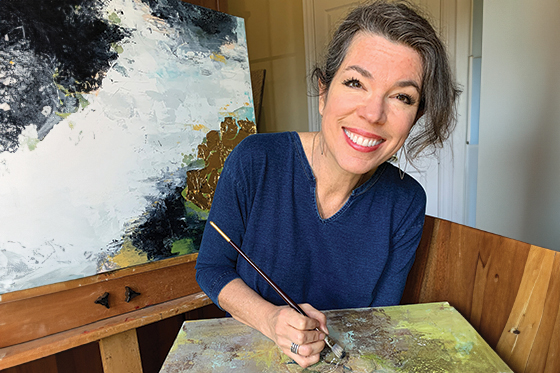
Unfortunately, when Jenna’s cancer returned, it had spread to her sternum, coccyx, hip, lung and lymph system. Despite this devastating news, Jenna and her family saw it as an opportunity to reclaim the life they had before her diagnosis. Determined to regain her strength, she turned to ReVital Cancer Rehabilitation for help.
Facing several months of hormone therapy, along with the surgeries from her first cancer, Jenna’s doctors prescribed physical therapy. Her primary goals were to reduce the side effects of her treatment, such as:
- Joint pain and body aches
- Muscle tightness
- Limited mobility, such as difficulty raising her arms, painting and maintaining her home
Beyond the physical effects, cancer had taken an emotional toll on Jenna. She struggled with motivation and found it hard to engage in activities she loved, like painting. But with the help of her ReVital Cancer Rehabilitation therapist, Jenna began to see immediate improvements. Her therapist worked closely with her, providing a personalized exercise plan that she could follow at home.
Find relief today
If breast cancer treatment has left you with long-term or late-onset side effects, rehabilitation can help you manage them. Whether it’s difficulty performing daily tasks, participating in social activities or working, cancer rehabilitation could be an important part of your recovery. Speak to your doctor about incorporating rehabilitation into your care plan.
For more information or to speak with a cancer rehabilitation therapist, contact us today.