Living with and beyond cancer
Having cancer can feel like running a grueling race toward an elusive finish line. It is understandable that people with cancer focus on this line as they power through the challenges and treatment for the disease.
However, for many, the finish line is very different from the one they expected. That’s where cancer survivorship care comes in.
Who is a cancer survivor?
Survivorship means the act of surviving. As early detection methods and cancer treatments have gotten better, the number of cancer survivors has gone up greatly over the last 50 years in the United States.
Over 18 million adults and children in the United States have had cancer.
Cancer survivorship could be defined as surviving after cancer. Yet, many in the field of cancer survivorship have acknowledged that there is more to life after cancer than just surviving.
People with cancer experience changes in their mind, body, work and relationships, especially after the diagnosis. Indeed, a sense of uncertainty is prevalent after the intense period of diagnosis and initial treatment for cancer.
Survivorship care identifies and addresses the diverse needs of people after a cancer diagnosis and helps them to return or improve their health and well-being to that before their diagnosis.
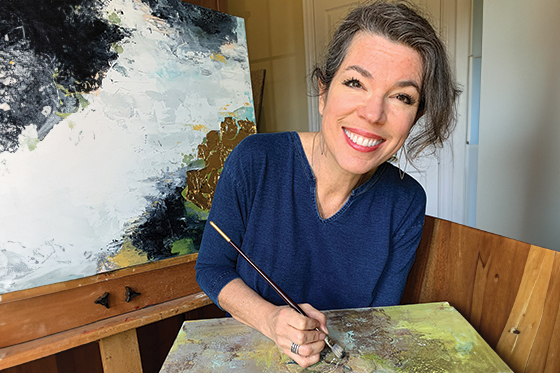
Life after cancer treatment
After treatment, survivors have expressed that although they were relieved it was over, they struggled to transition to a new way of life after cancer treatment.
It can feel like entering another world, where they have to adjust to new feelings, changes in their support and look at their life in different ways.
Some cancer survivors can have physical, cognitive or emotional concerns after treatment ends.
You may still:
- feel uncertain about how to move forward
- have anxiety about the future
- feel tired and not up to any activity
- be healing from cancer treatment and side effects
- feel nervous about seeing your oncologist less often
- be worried that the cancer will come back
- not think as clearly or have difficulty concentrating
Getting used to life after cancer treatment takes time. Some people feel a little lost, not knowing what to do next. Dealing with the emotions can feel like a roller coaster. You may feel relief but anxious and worried. Some people feel sad or even develop depression.
One thing is certain: it can take time to recover from cancer treatment.
Late effects of cancer treatment
Many side effects from cancer treatment improve once treatment is over. But certain side effects may linger after treatment and cause long-term problems. More so, some problems may not show up for months or years after you’ve finished treatment. These problems are called late effects.
Any cancer treatment can cause long-term effects. Your risk of developing long-term and late effects depends on many factors, including:
- The type of cancer and its location in the body
- The part of the body that was treated
- The type, length and dose of treatment
- Your age when treated for cancer
- Your genetics and family history
- Your general health
- Any other health problems that existed before the cancer diagnosis
Care for people diagnosed with cancer does not end when active treatment has finished. Your health care team, including your primary care doctor, will continue to check that the cancer has not come back and manage any late or long-term side effects of your treatment.
The management of the late effects of cancer treatment can include specialized rehabilitation targeting those areas.
This is where ReVital Cancer Rehabilitation can play a role in life after cancer.
The power of cancer rehabilitation
While cancer treatment will certainly have different side effects and symptoms from person to person, the professionals at ReVital Cancer Rehabilitation are specially trained to help with common issues that might arise like:
- Decline balance and coordination
- Changes in memory, attention and cognitive clarity
- Changes in bowel and bladder control
- Eating and swallowing difficulty
- Reduced exercise and physical activity
- Mobility and walking challenges
- Joint stiffness
- Numbness and tingling
- Pain
- Decline in physical or emotional well-being
- Sexual dysfunction
- Swelling
- Weakness and deconditioning
Once cancer treatment ends, rehabilitation can be effective in managing long-term or late-onset side effects.
When cancer side effects interfere with your ability to carry out daily activities, participate in social activities or perform your work, consider asking your doctor if cancer rehabilitation should be part of your care plan.
For more information or to speak with a cancer rehabilitation therapist, please contact us today.